Wintersweet and Larkspur
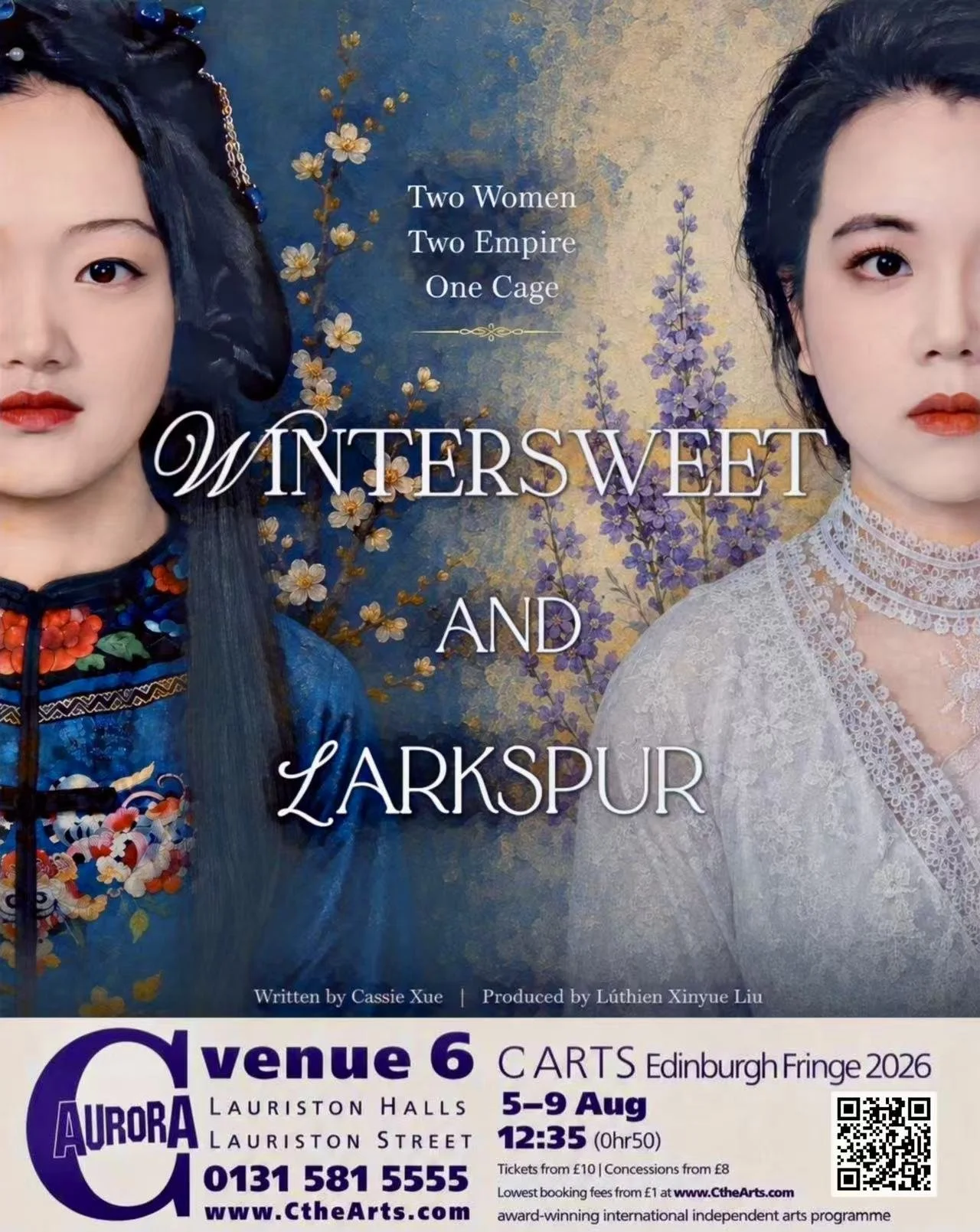
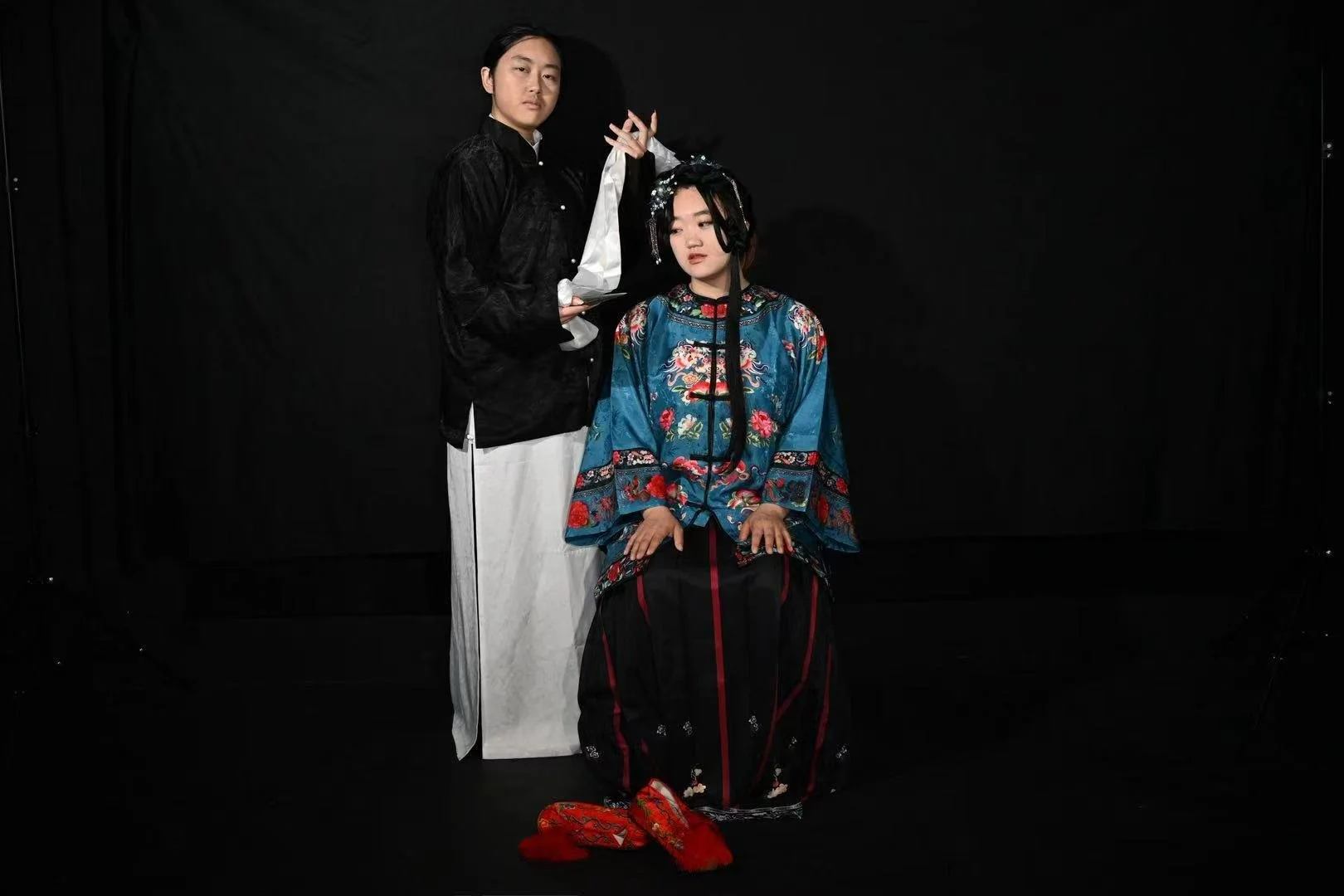
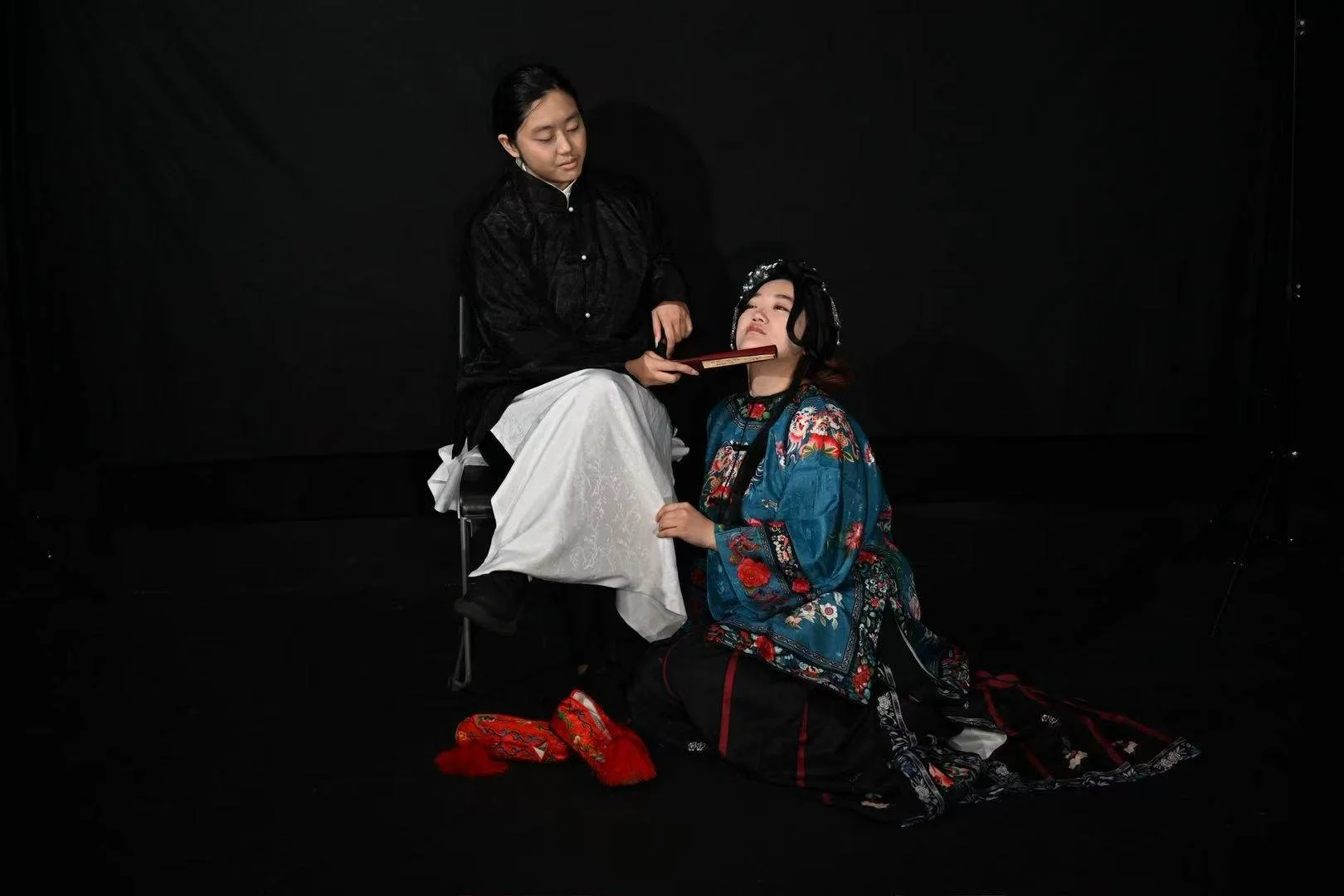
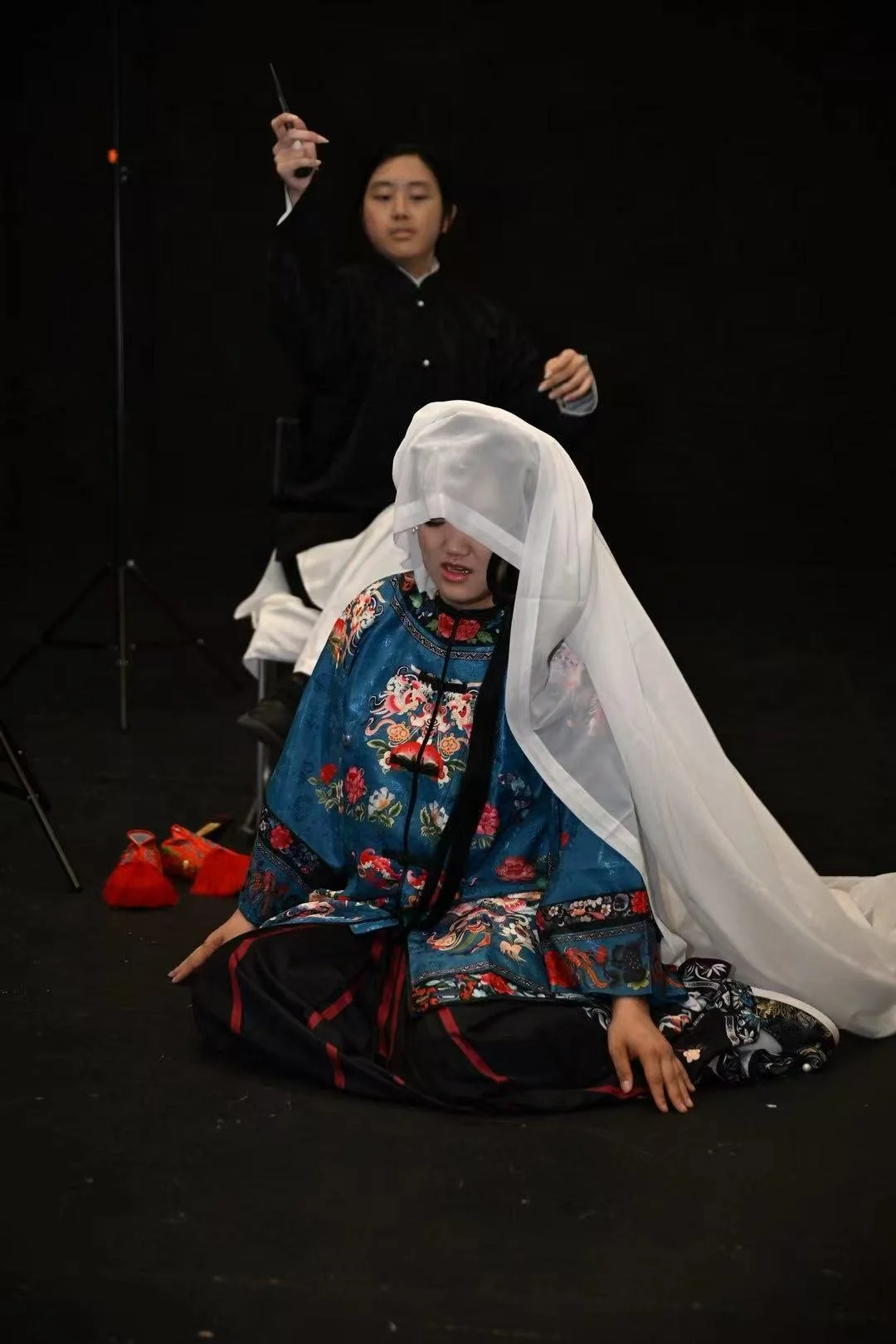
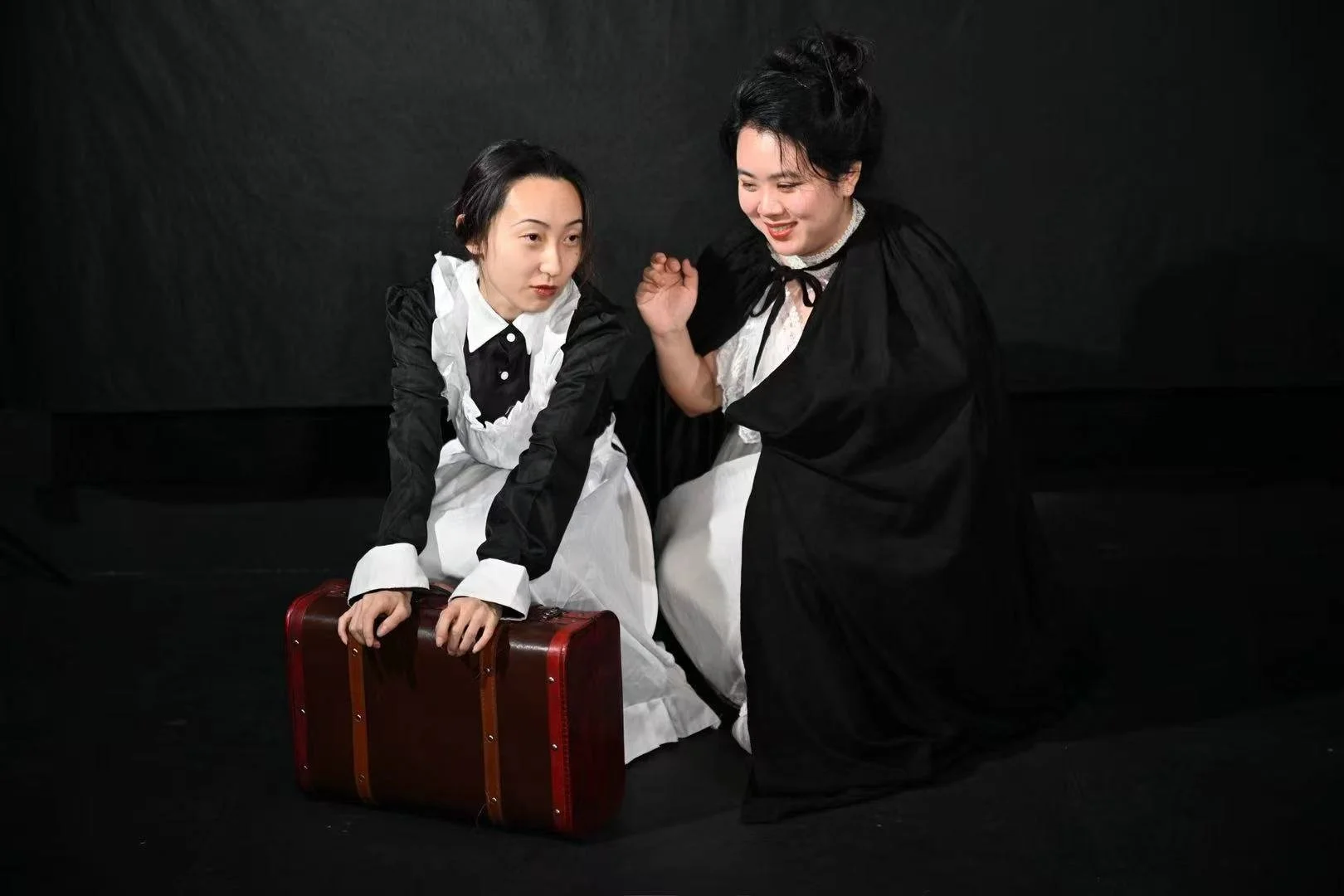
Wintersweet and Larkspur is an original English-language historical drama unfolding across two parallel and mirroring timelines: late Qing China and late Victorian Britain.
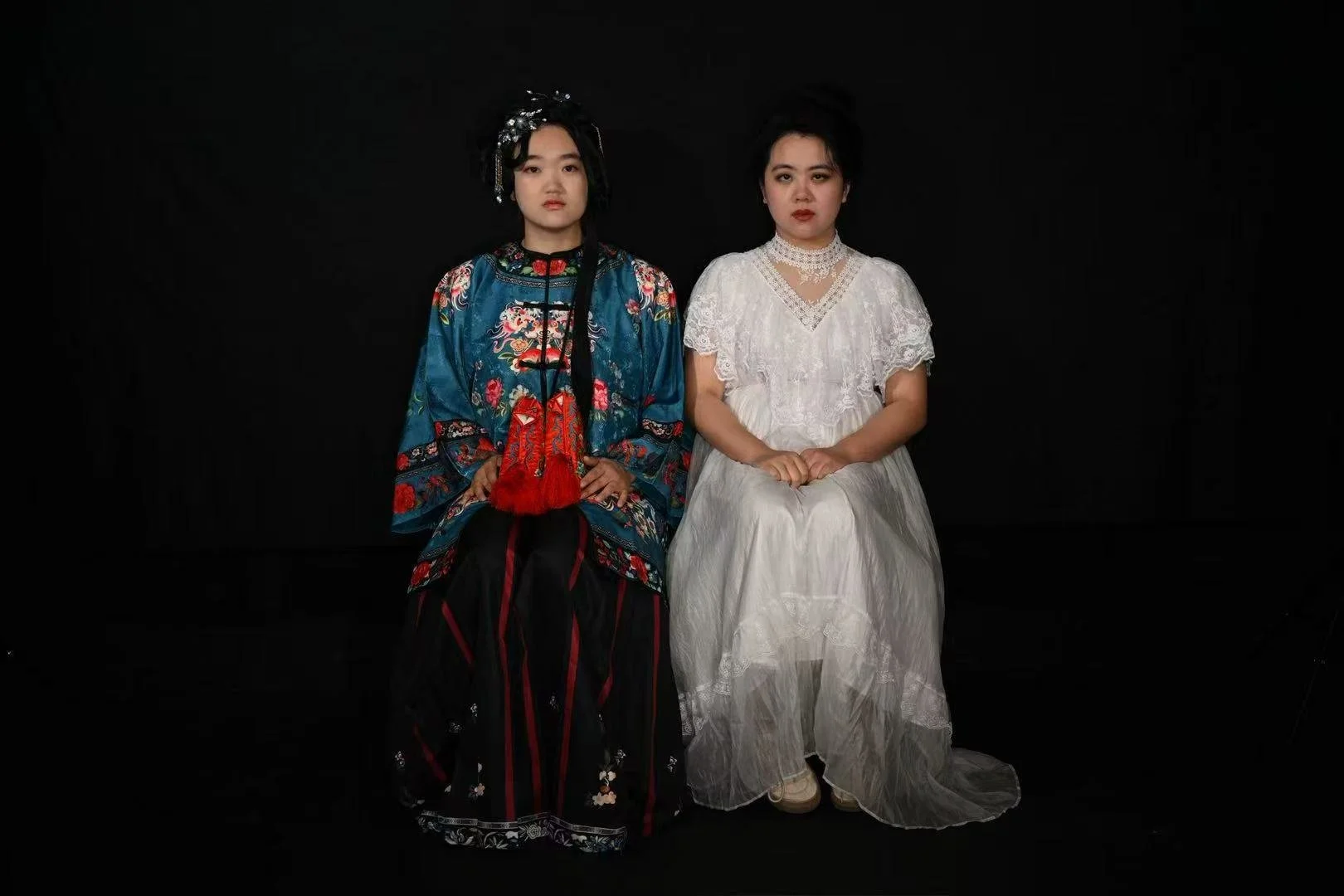
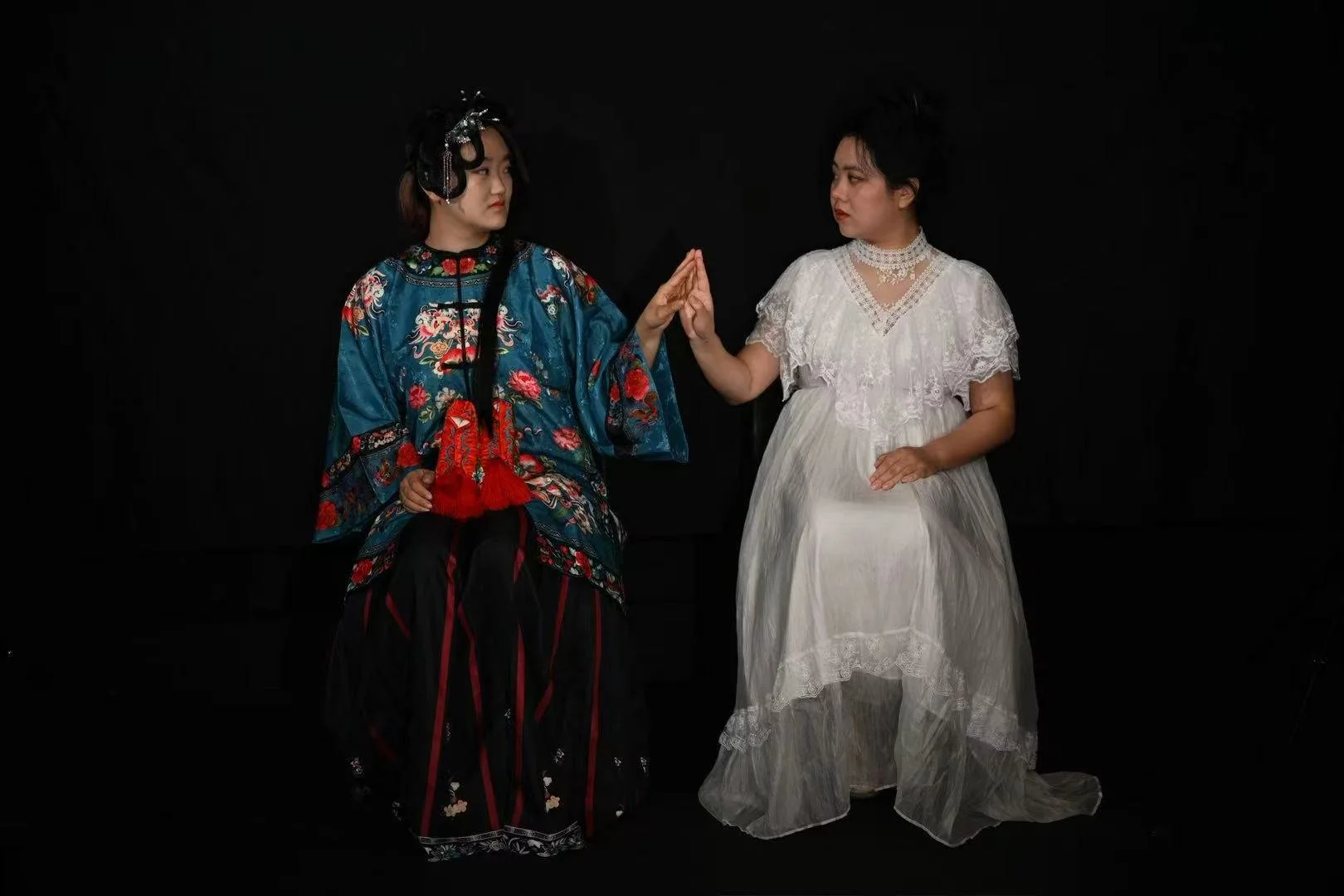
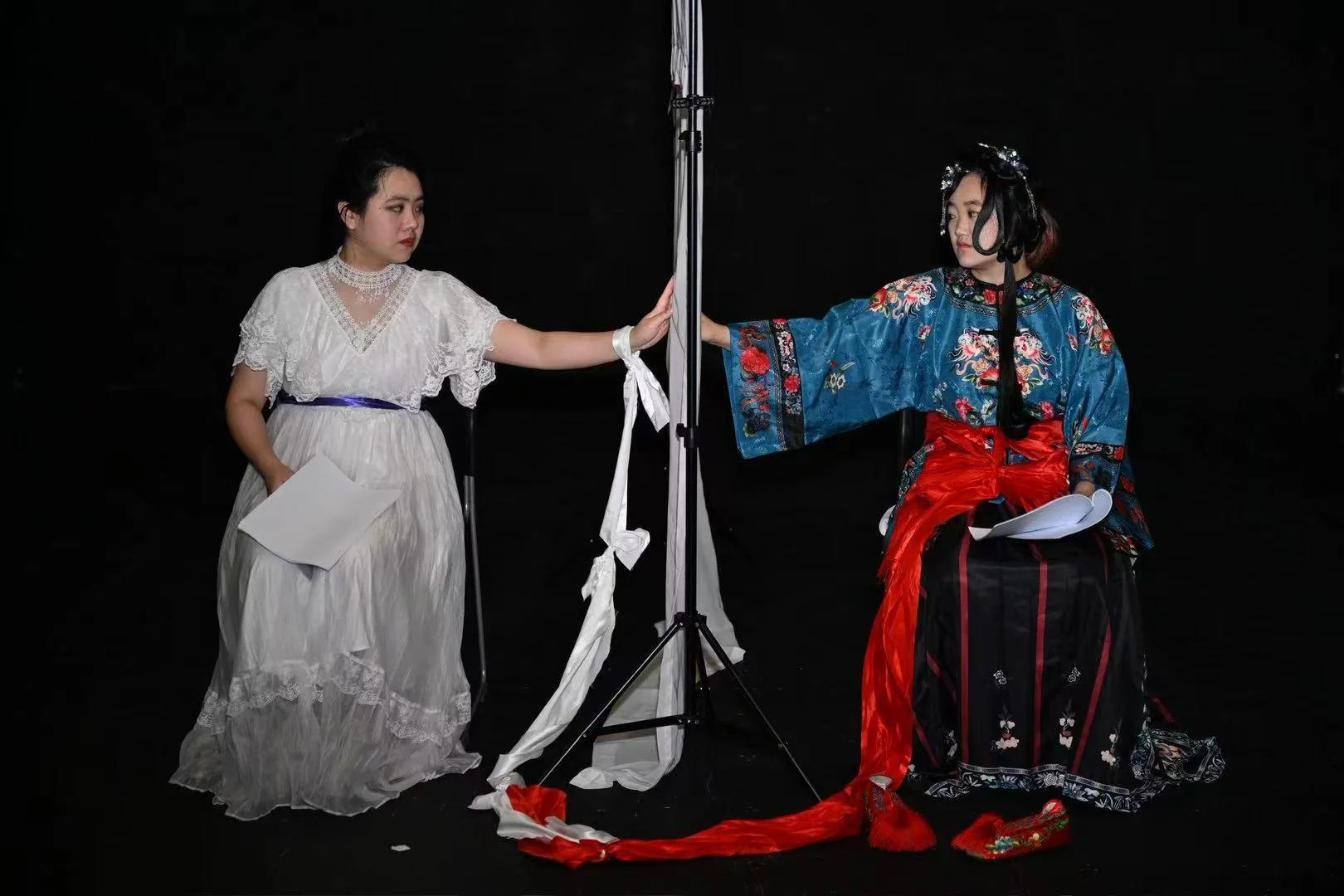
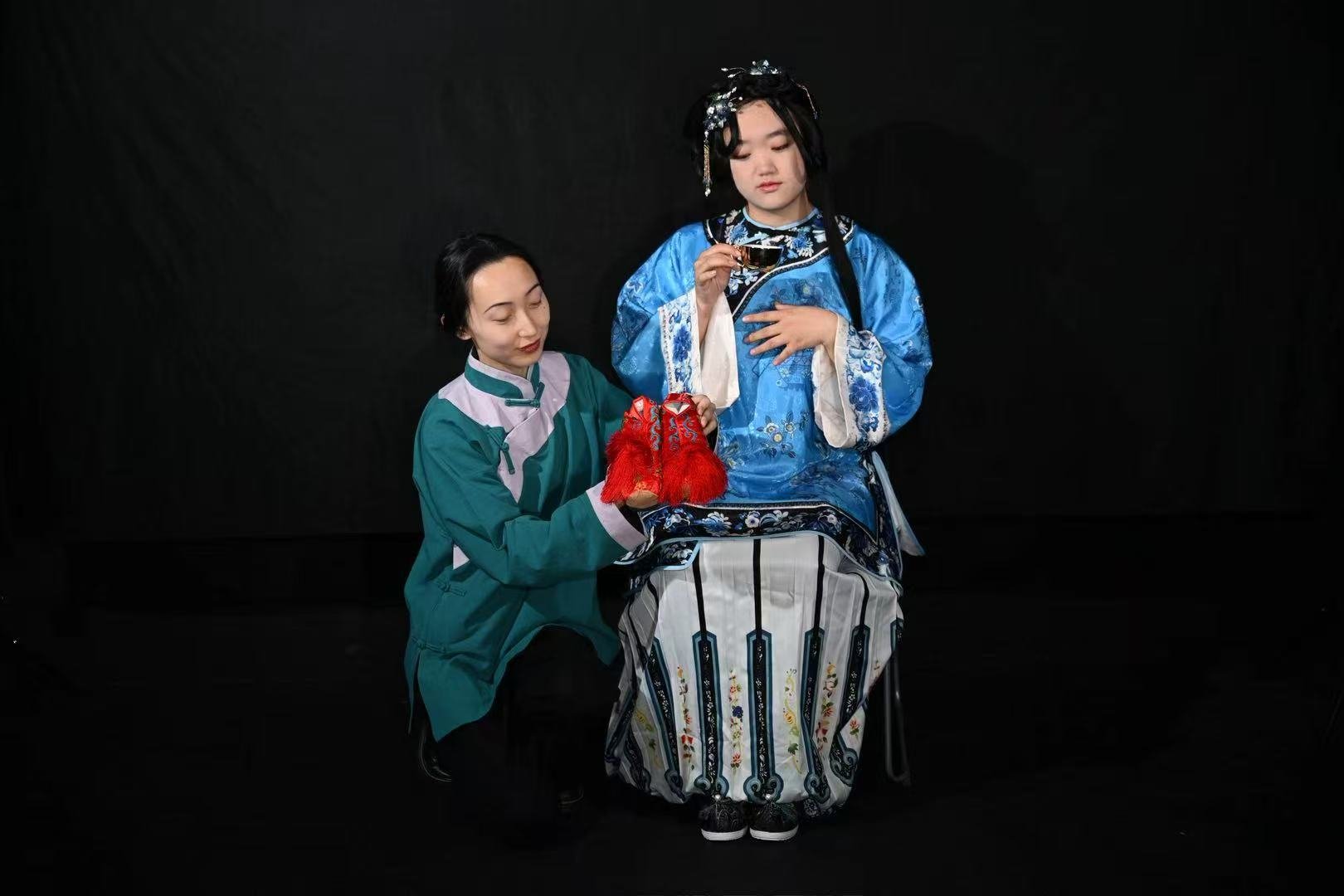
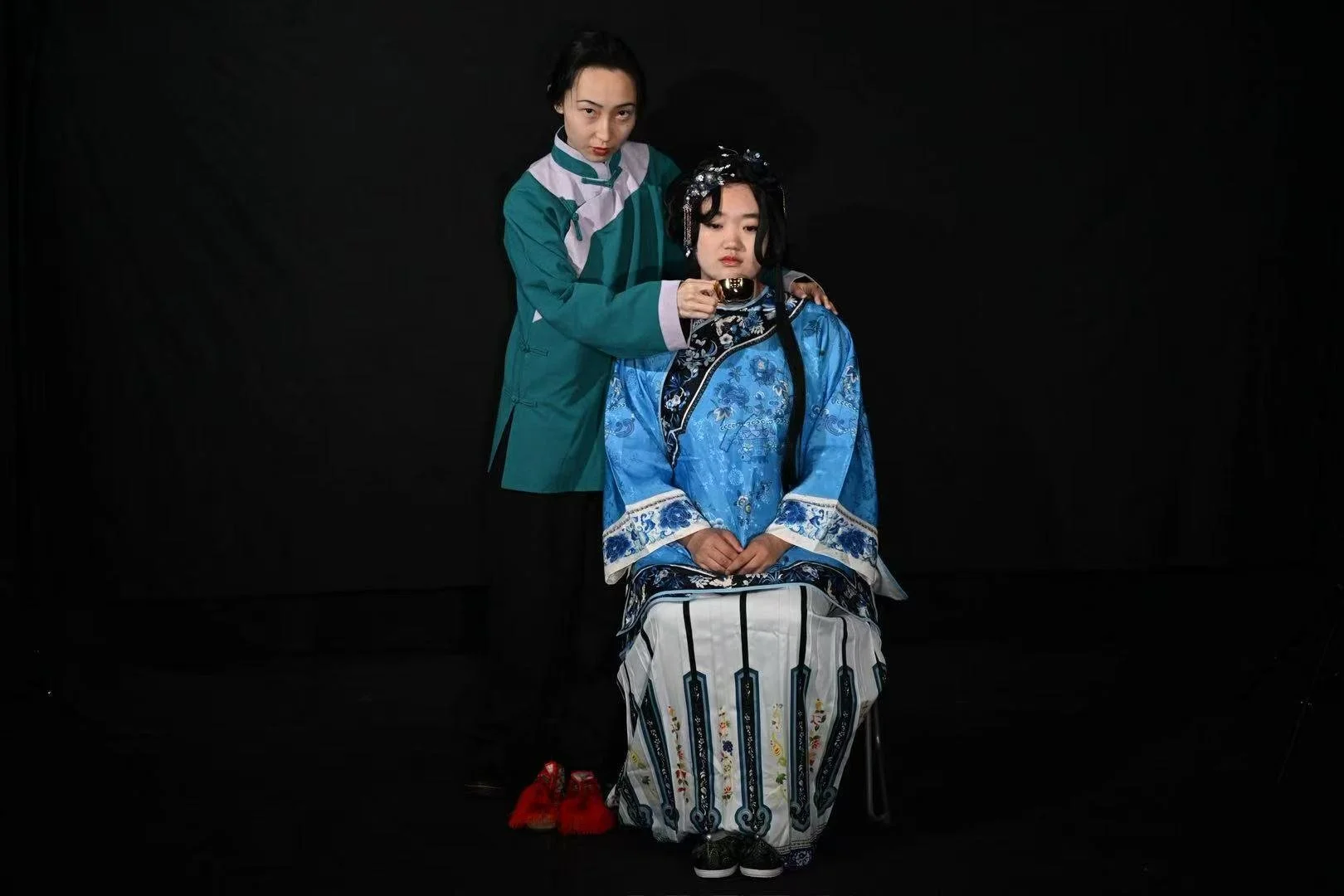
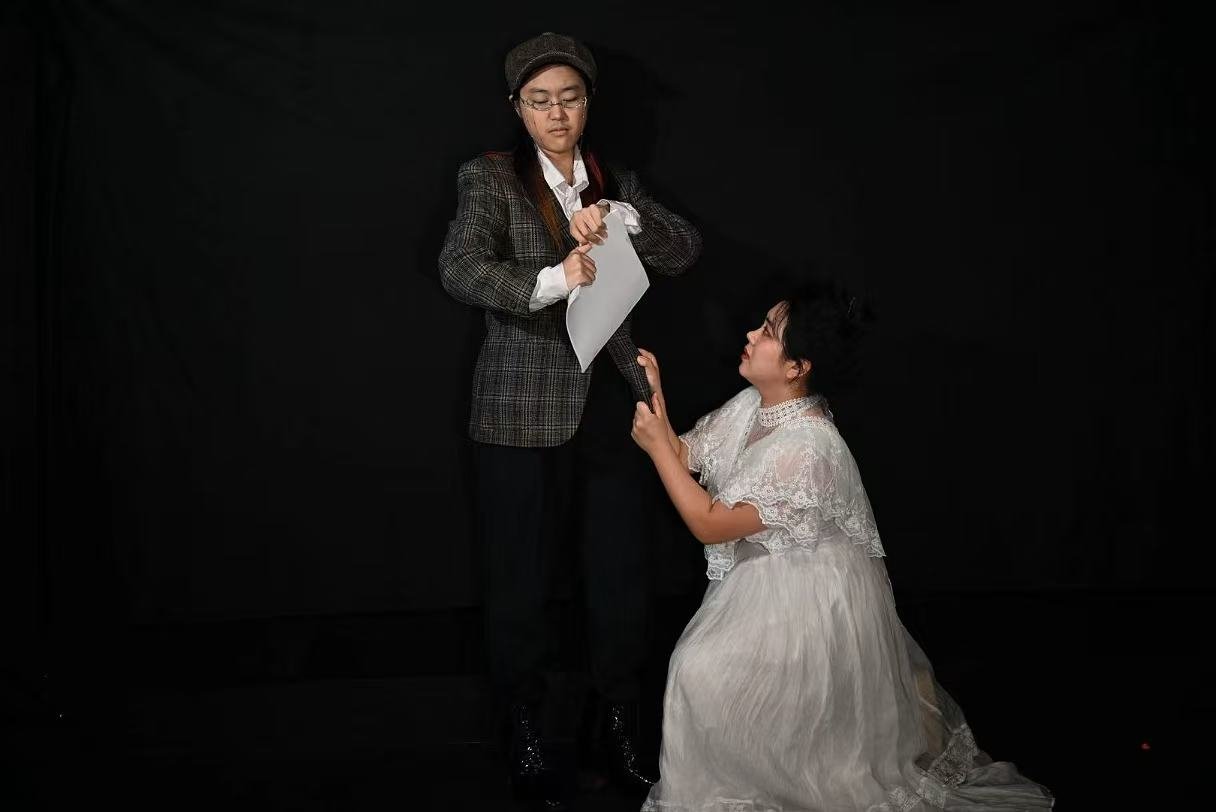
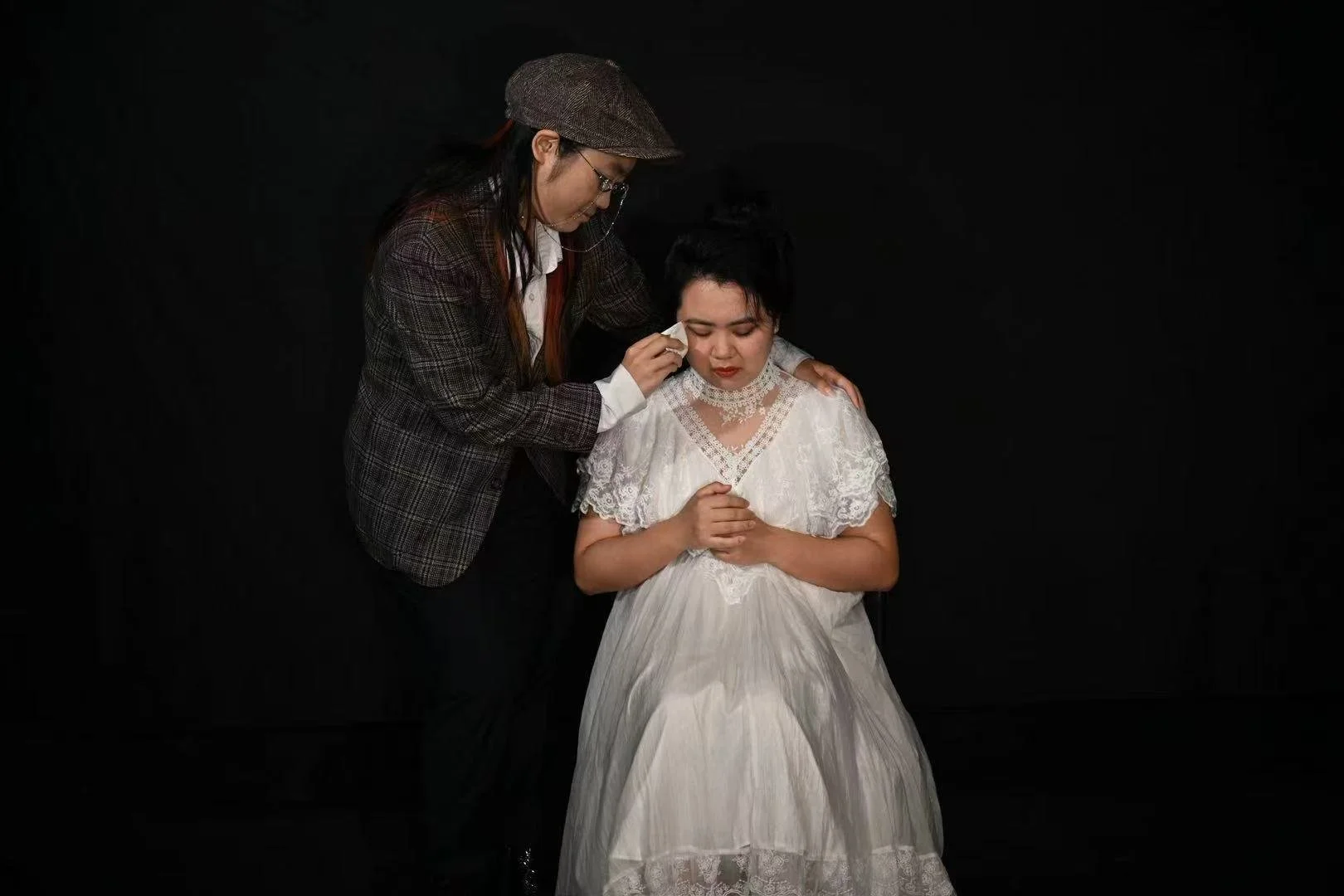
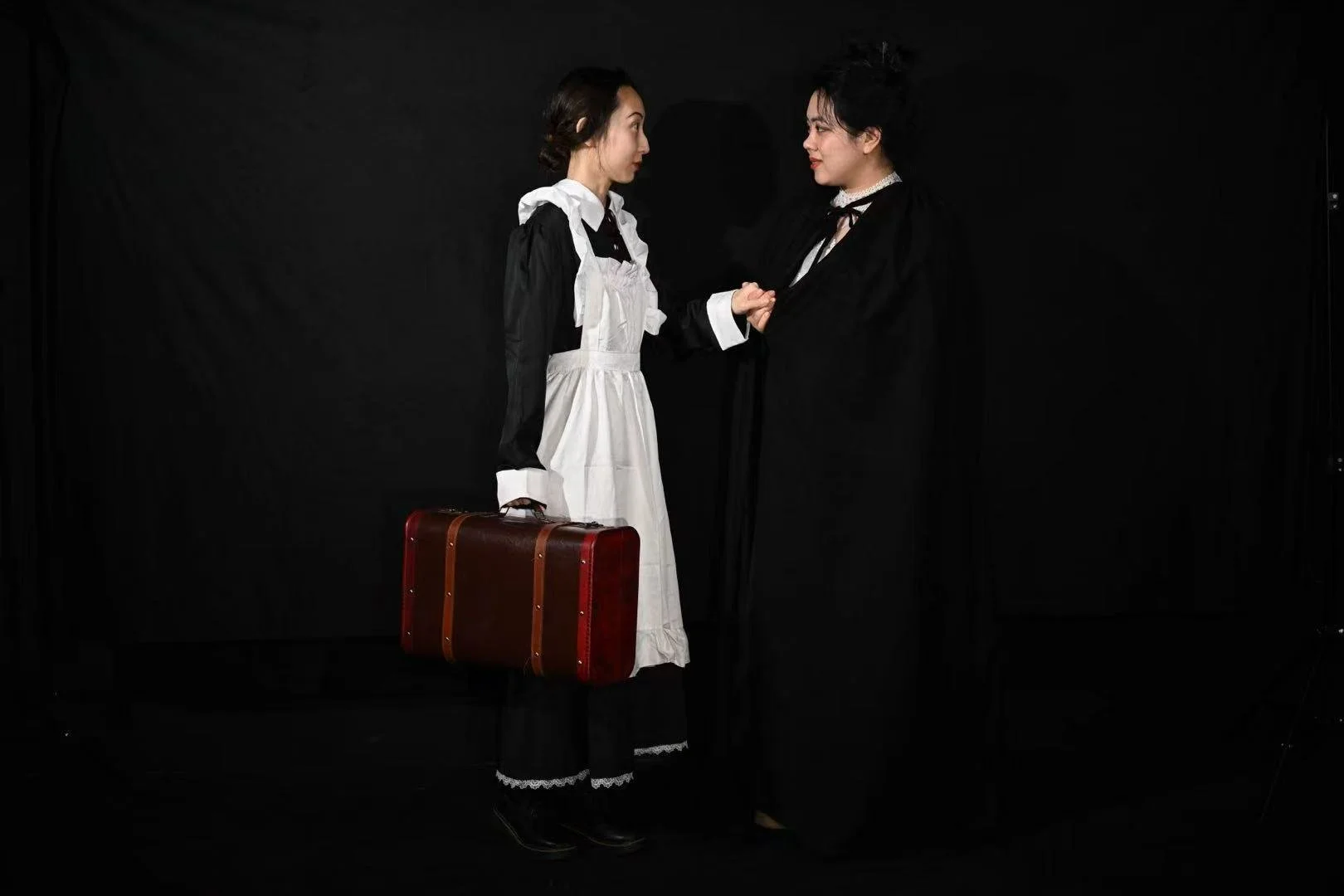
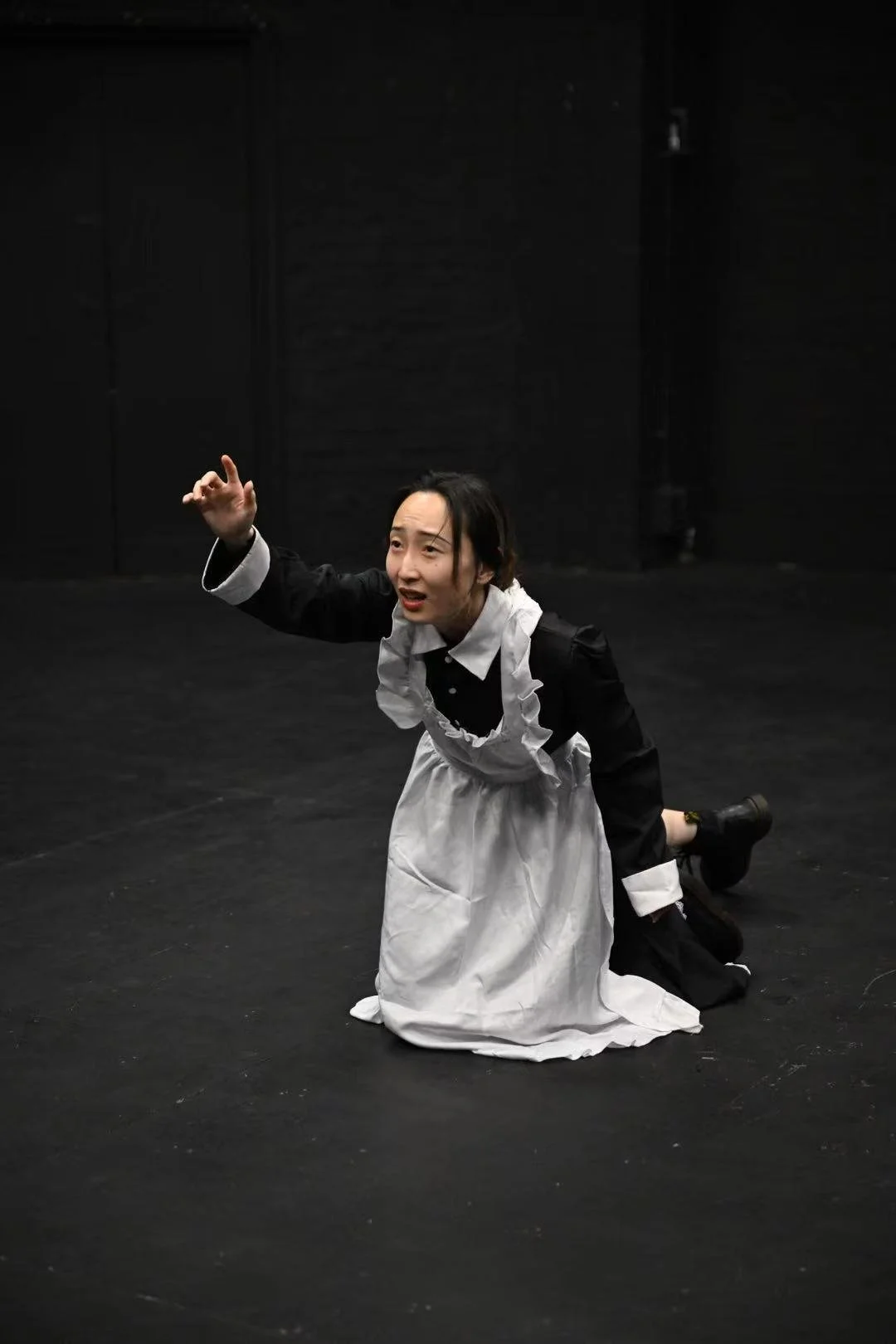
One story follows Xiuyao, a young woman confined within the inner household of late Qing China. The other centres on Margaret, living within the social structures of Victorian Britain. They come from entirely different cultures, families, and historical worlds, yet the conditions shaping their lives are strikingly similar. Their bodies, marriages, family obligations, and social expectations are repeatedly negotiated by others, gradually determining the boundaries of what they are permitted to become.
The play is conceived as a cross-cultural historical allegory about women’s destinies under patriarchy and the different forms their resistance can take. It is particularly concerned with the women who remain in invisible corners even as new political ideas and waves of feminism continue to advance: women who may not have the conditions to leave, the language through which to name their oppression, or the opportunity to be heard, yet who continue to live, resist, and preserve whatever fragments of choice remain available to them.
At the centre of the work is a question about how history speaks to the present.
I have long been fascinated by the way historical drama can use distance to expose structures that remain familiar. Arthur Miller’s The Crucible, for instance, returned to the seventeenth-century Salem witch trials in order to respond to the political atmosphere of McCarthyism. Historical distance did not make the violence of the past safer or irrelevant; it created another perspective from which contemporary violence could be recognised.
Wintersweet and Larkspur works through a similar principle. The play asks whether the structures that confined women in the nineteenth century have truly disappeared, or whether some have simply changed their names, languages, and appearances. What happened then may still be happening now, only in different forms.
By placing late Qing China beside Victorian Britain, the play resists the idea that women’s oppression belongs neatly to one culture or one historical tradition. Instead, the two narratives mirror one another across geography. Marriage, family duty, social reputation, bodily autonomy, and obedience operate differently in each world, yet repeatedly produce recognisable forms of constraint.
At the same time, the women in the play are not defined solely by victimhood. Their resistance is not always loud, public, or revolutionary. Sometimes it appears through refusal, endurance, secrecy, memory, or the attempt to preserve a small part of the self against structures designed to absorb it.
The title itself brings together two plants associated with different cultural landscapes: wintersweet and larkspur. Like the two women at the centre of the play, they exist apart, yet are placed alongside one another within the same dramatic space. Their parallel stories allow the production to ask what changes across history, what remains, and what forms of resistance continue to survive.
Ultimately, Wintersweet and Larkspur is both a historical drama and a reflection on the present. It is a tribute to women whose lives are easily omitted from dominant narratives of progress, and to the forms of resistance that persist even when freedom remains partial, fragile, or unseen.
Production Details
Title: Wintersweet and Larkspur
Form: Historical Drama / New Writing
Language: English
Company: Four-Sided Sky Theatre
Produced by: Four-Sided Sky Theatre
Festival: Edinburgh Festival Fringe 2026
Venue: C aurora, Lauriston Halls & Sacred Heart Church, Edinburgh
Performance Dates: 5–9 August 2026
Role: Playwright, Director, Costume & Set Designer
Creative Context
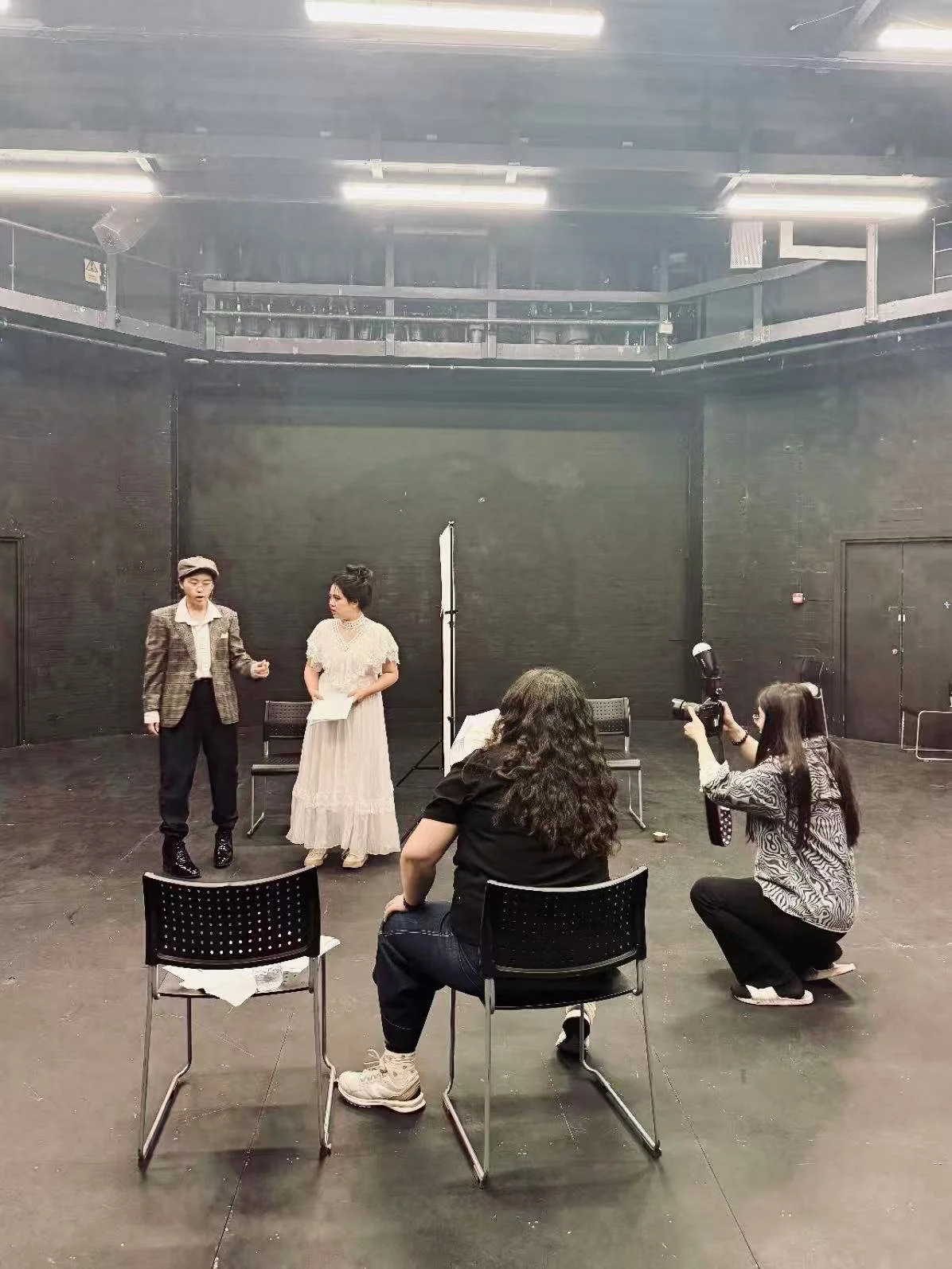
The play was developed around two parallel historical narratives, one set in late Qing China and the other in late Victorian Britain. Rather than treating these worlds as isolated case studies, the structure places them in continuous dialogue, allowing recurring patterns of gendered control, family obligation, marriage, and social expectation to emerge across cultural boundaries.
The project is rooted in the belief that historical theatre can make contemporary structures more visible. By creating distance, history allows audiences to recognise forms of violence and restriction that might otherwise appear ordinary, natural, or already resolved.
Selected Credits
Playwright / Director / Costume & Set Designer: Cassie Xue
Producer / Xiuyao: Lúthien Liu
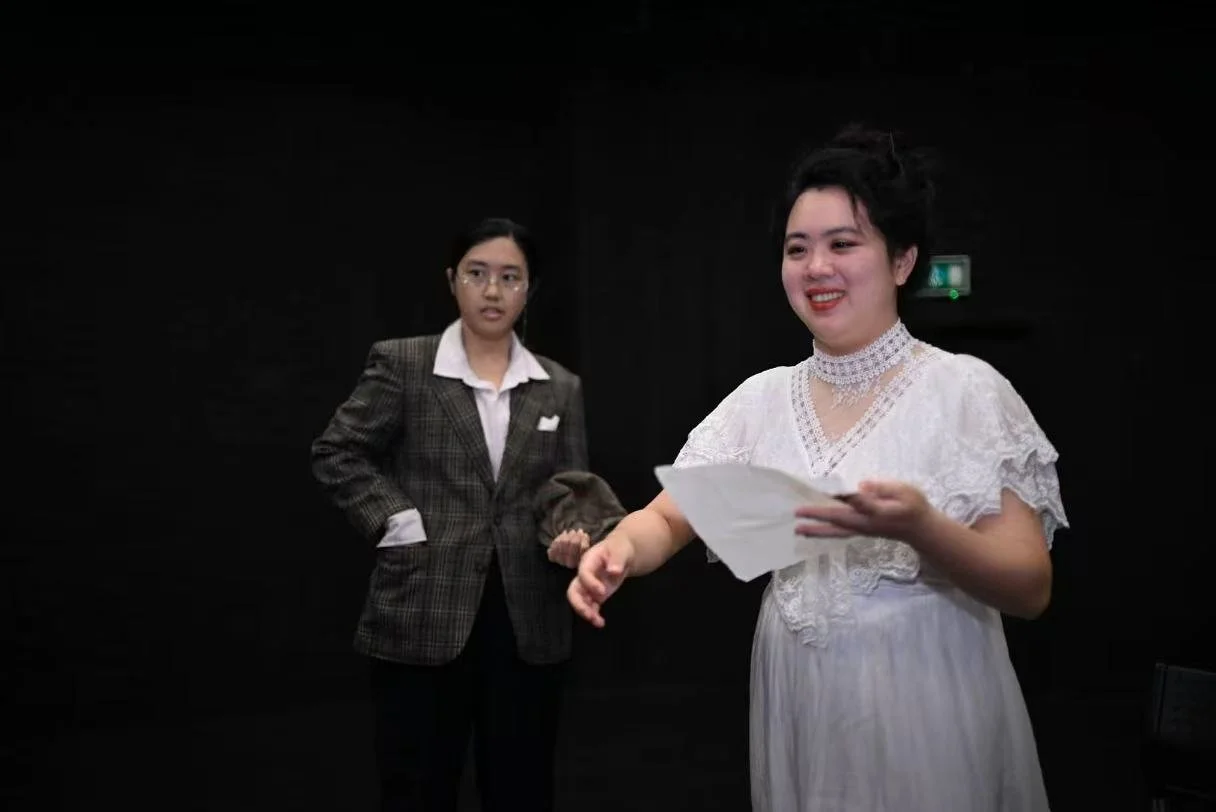
Margaret: Karina Xuehan Jiang
Holding Nurse / Anna: Alina Zhou
Ping Wang / Johnson: Lyon Chan
Lighting Designer / Costume & Stage Assistant: Qianyu
Sound Designer: Sylvia
Production Page
Edinburgh Festival Fringe:https://www.edfringe.com/tickets/whats-on/wintersweet-and-larkspur
C ARTS | C venues:https://res.cthearts.com/event/34:5355/
Instagram:@foursidedskytheatre
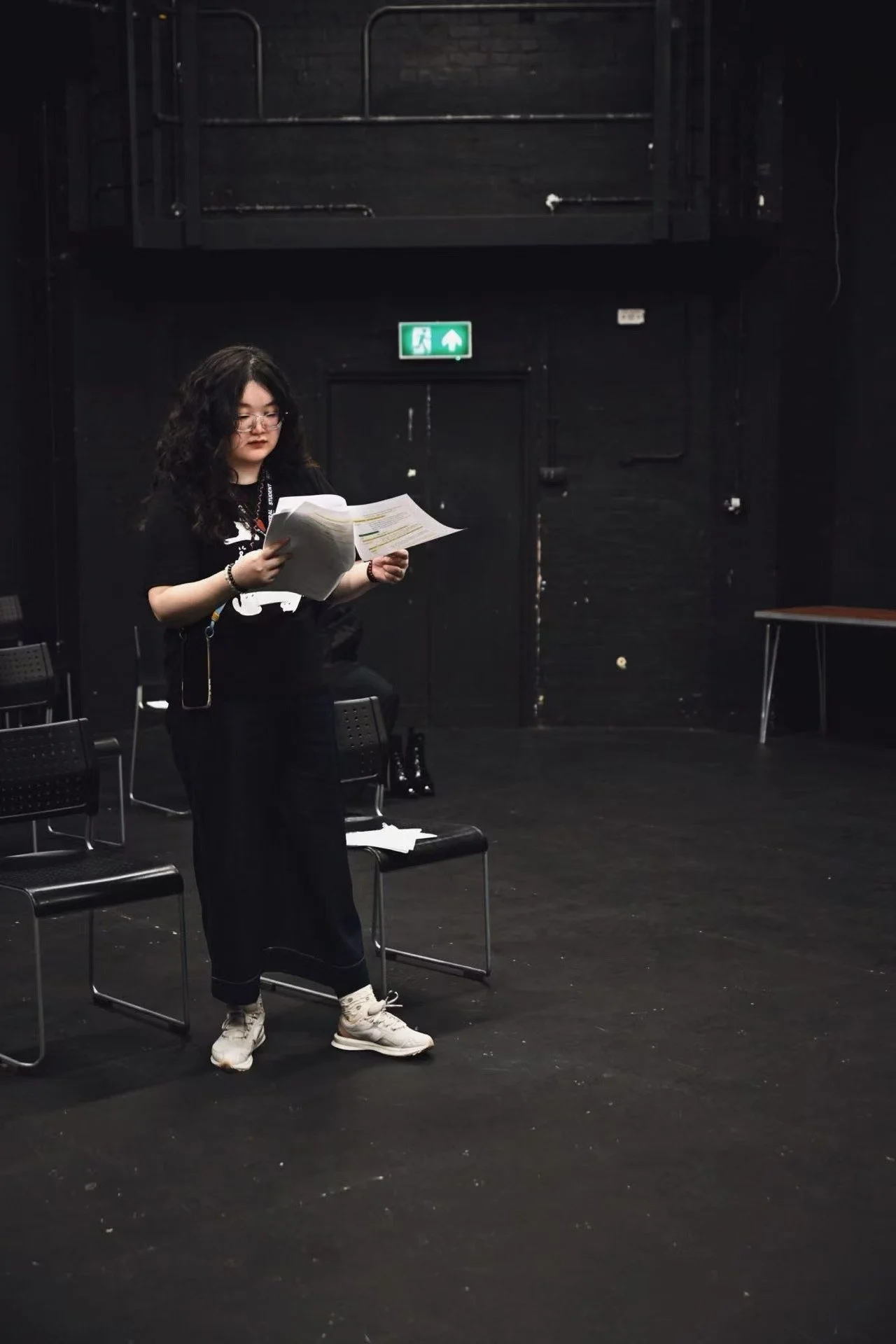
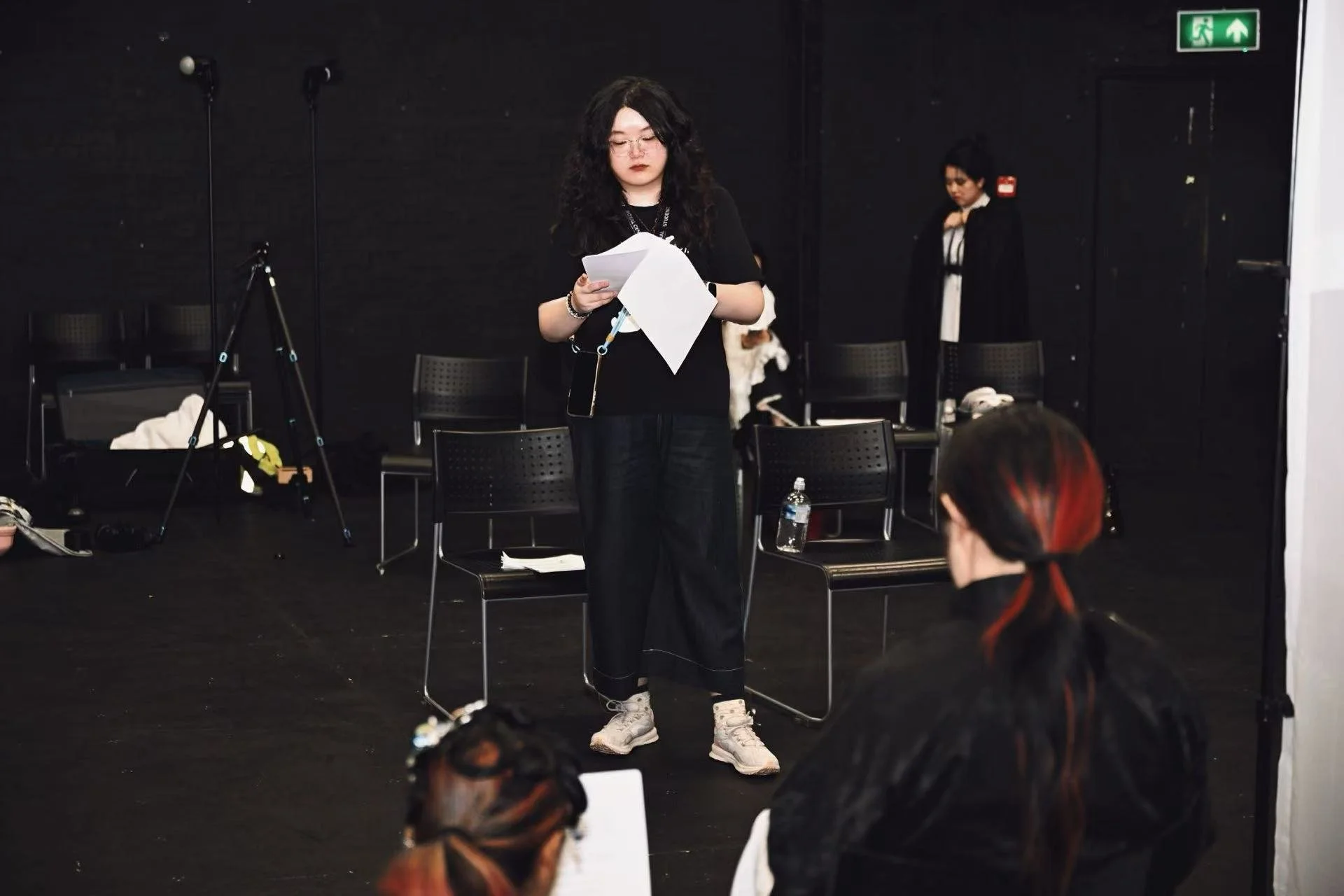
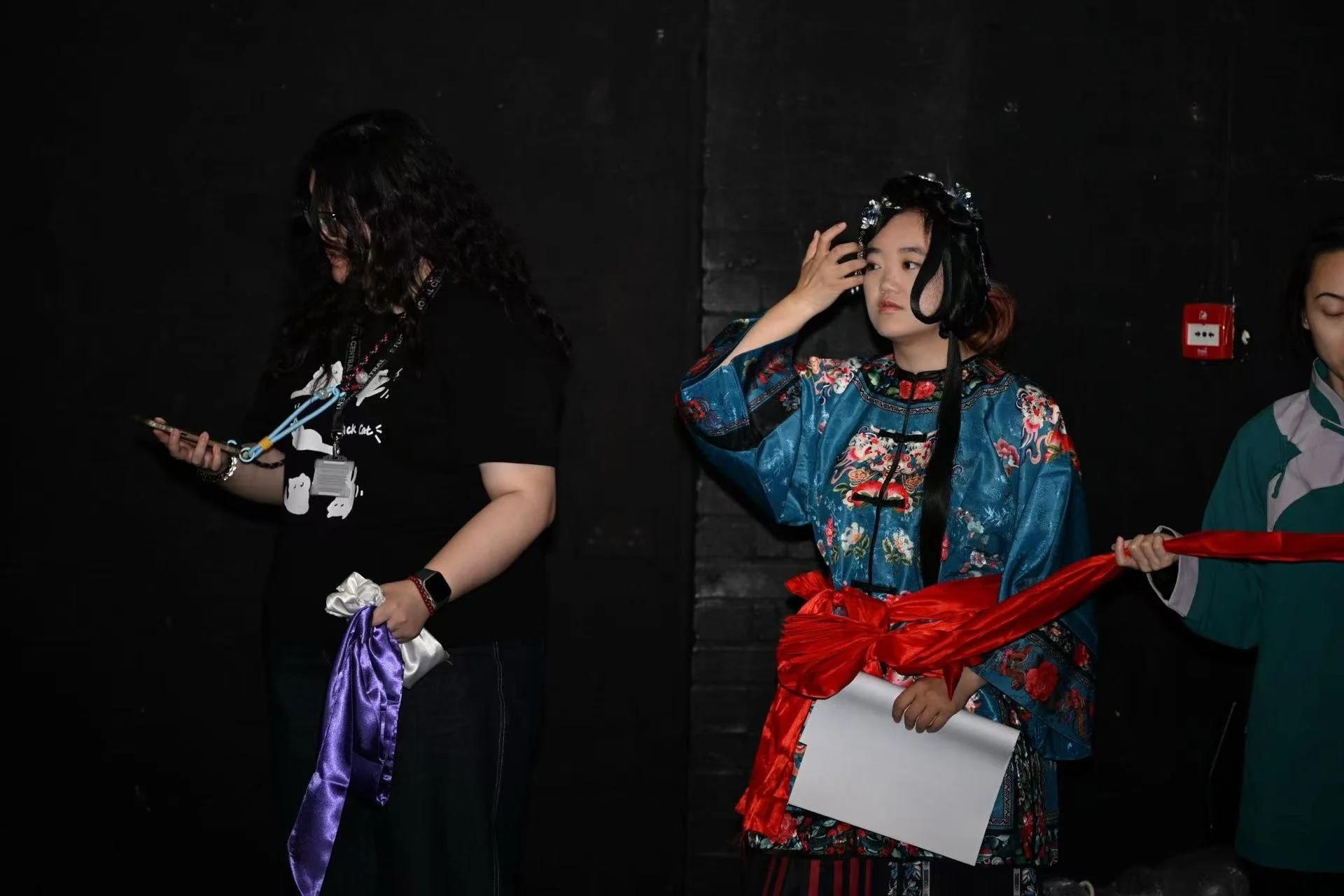
© Photo by Shiqi Cao @caoshiqi666
